Ensuring Conformity With Laws: the Duty of Mycotoxin Evaluating in Top Quality Control
Making sure conformity with rigorous regulations is vital for keeping food safety and security, and the function of mycotoxin screening in quality control can not be overemphasized. Mycotoxins, toxic substances generated by certain mold and mildews, position substantial health risks, making their detection essential in food manufacturing.
Recognizing Mycotoxins
Recognizing mycotoxins is essential to making certain the quality and safety of farming products. The most infamous mycotoxins include aflatoxins, fumonisins, trichothecenes, and ochratoxins, each associated with specific ecological problems and fungal varieties.
The presence of mycotoxins in food can lead to intense and chronic health and wellness concerns, consisting of liver damages, immune reductions, and cancer causing effects. Their detection and quantification are crucial elements of high quality control in farming and food markets. The intricacy of mycotoxin contamination demands a complex technique, utilizing sophisticated analytical methods such as liquid chromatography, mass spectrometry, and enzyme-linked immunosorbent assays (ELISA) By comprehending the sources, types, and effects of mycotoxins, stakeholders in the agricultural field can much better carry out preventative procedures and reduce risks, guaranteeing more secure intake for end-users. This understanding creates the bedrock whereupon effective mycotoxin management methods are developed.
Regulatory Requirements for Mycotoxins
Having established a fundamental understanding of mycotoxins and their impact on food safety and security, it is critical to evaluate the regulatory criteria regulating their existence in agricultural products. Governing standards for mycotoxins are essential because they specify permissible limitations, guaranteeing food safety and shielding public health. Numerous international and nationwide companies have established these restrictions based upon comprehensive risk analyses.
The Codex Alimentarius Payment, an international body developed by the FAO and WHO, supplies standards and maximum allowed degrees for different mycotoxins in food and feed. The Codex has actually set limits for aflatoxins in peanuts, maize, and dried out figs, among various other assets. These criteria are frequently adopted or adapted by individual nations to fit their details requirements.
In the European Union, Policy (EC) No 1881/2006 stipulates maximum levels for a number of mycotoxins, such as aflatoxins, ochratoxin A, and deoxynivalenol, in various food. The United State Food and Medicine Management (FDA) has developed action degrees for mycotoxins like aflatoxins in products such as nuts and grains.
Adherence to these governing standards is vital for maintaining market gain access to, consumer count on, and public health. Non-compliance can result in considerable financial losses and health and wellness threats, emphasizing the value of stringent mycotoxin screening protocols.
Testing Techniques and Technologies
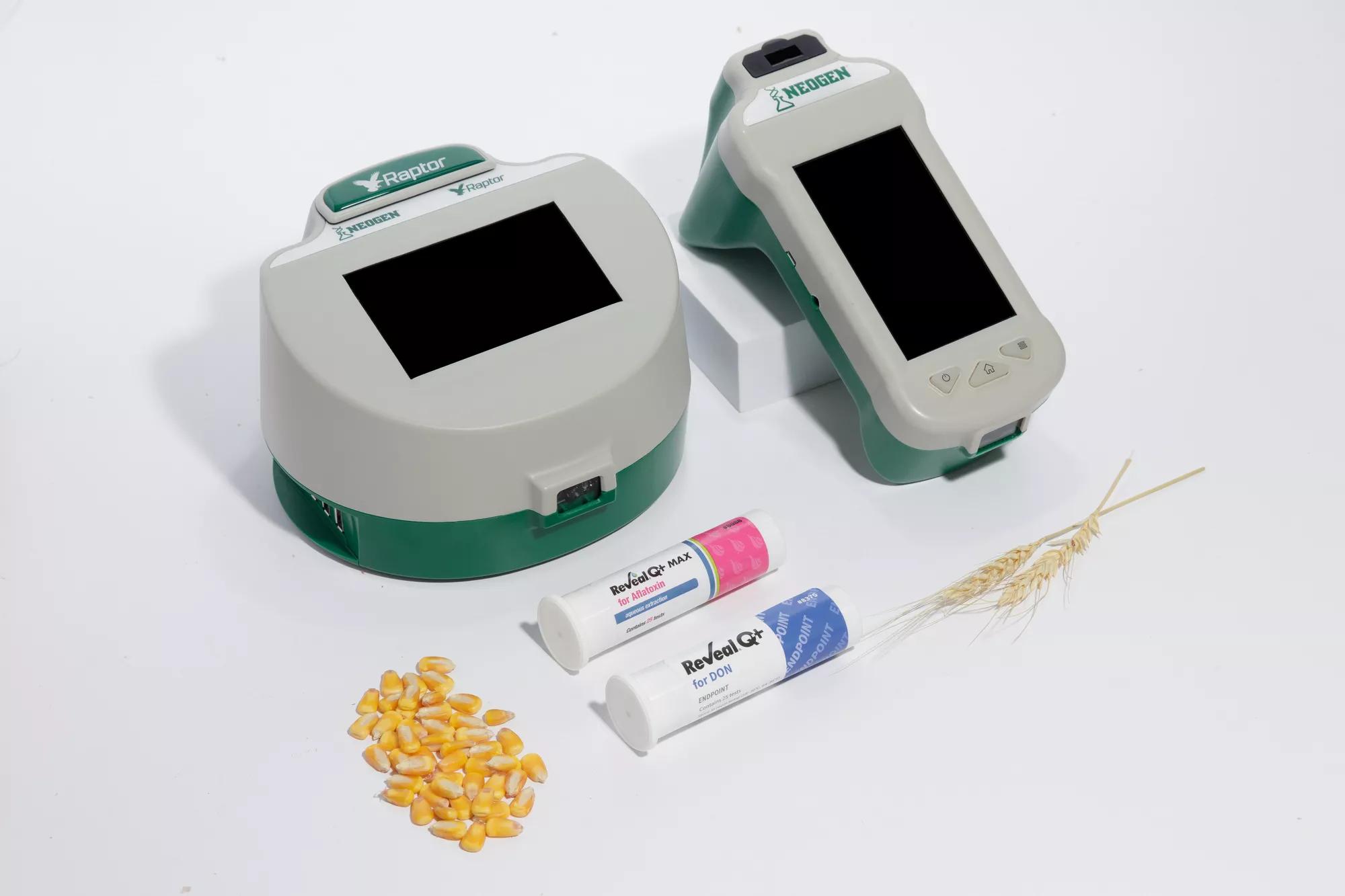
ELISA is widely valued for its cost-efficient and quick screening capabilities, making it ideal for high-throughput settings. It relies upon antibodies to detect specific mycotoxins, providing lead to a relatively brief time framework. Its level of sensitivity might be limited compared to more innovative methods.
HPLC, on the other hand, succeeds in best site offering measurable evaluation with high precision and precision. It divides complicated blends right into private components, making it extremely effective for determining and measuring multiple mycotoxins at the same time - Mycotoxin testing Services. This technique, while a lot more resource-intensive and time-consuming than ELISA, supplies a higher level of integrity
LC-MS represents the pinnacle of logical specificity and level of sensitivity. Combining the separation power of liquid chromatography with the discovery capacities of mass spectrometry, LC-MS can identify also trace levels of mycotoxins. This approach is vital for verifying the visibility of mycotoxins in regulatory and forensic contexts, guaranteeing compliance with stringent security criteria.
Implementing Examining Procedures
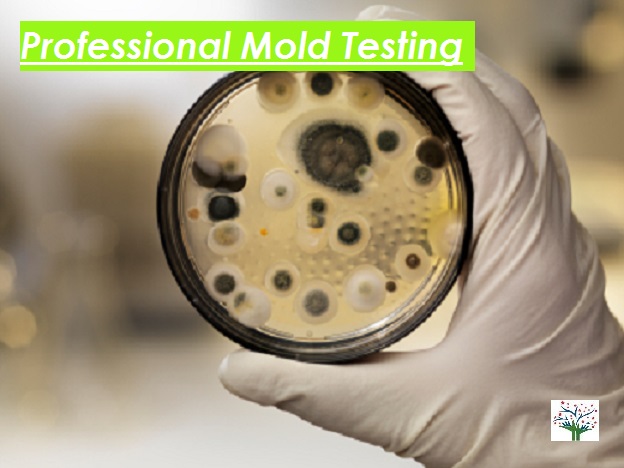
Integrating these advanced testing approaches into an extensive top quality control structure demands a well-structured approach to applying testing procedures. To attain this, companies need to first conduct a complete danger assessment to recognize prospective mycotoxin contamination factors within the supply chain. This evaluation educates the advancement of a tailored testing method that resolves particular susceptabilities.
Next, developing standard sampling treatments is essential. Constant sampling makes certain that test outcomes are reliable and rep of the entire batch (Mycotoxin testing Services). Abiding by standards from governing bodies, such as the FDA or EFSA, aids keep compliance and enhances the reputation of the screening procedure
Educating personnel is an additional essential part. Personnel has to excel in both sample collection and the procedure of testing devices. Regular training sessions and accreditation programs can make certain that employee remain upgraded with the most up to date methods and governing adjustments.
Benefits of Mycotoxin Evaluating
Mycotoxin testing provides countless benefits that substantially boost the security and quality of food and feed products. Primarily, it serves as a critical control measure to stop polluted items from reaching the consumer market, thereby guarding public health. By recognizing and quantifying mycotoxins such as ochratoxins, aflatoxins, and fumonisins, producers can guarantee that their products meet strict regulative requirements, thus preventing prospective legal effects and linked prices.
In addition, mycotoxin testing adds to the economic feasibility of food and feed industries by lessening the risk of large product recalls. go The ability to isolate and identify polluted batches early in the production process lowers waste and prevents the economic losses connected with damaged More hints brand name reputation. In addition, it promotes consumer trust and commitment, as customers are significantly conscious of food safety concerns and need better requirements.
The execution of routine mycotoxin screening also advertises ideal techniques within agricultural and production fields. By sticking to rigorous testing protocols, business can maximize their quality assurance procedures, boost functional performance, and make sure the constant manufacturing of risk-free, premium items. To conclude, the benefits of mycotoxin screening are multifaceted, adding to public health and wellness, financial security, and industry honesty.
Conclusion
Mycotoxin screening is crucial in making certain conformity with regulative criteria, thereby maintaining food safety and top quality control. Therefore, mycotoxin testing remains an important component of modern-day food security administration systems.
Ensuring compliance with rigid laws is critical for keeping food security, and the role of mycotoxin testing in top quality control can not be overstated.In the world of mycotoxin testing, progressed modern technologies and methods are crucial in making sure food safety and regulatory conformity.Mycotoxin screening uses countless advantages that significantly boost the safety and security and high quality of food and feed products.Mycotoxin screening is important in ensuring conformity with governing criteria, therefore preserving food security and quality control. Therefore, mycotoxin screening remains a crucial component of contemporary food safety and security monitoring systems.